Showing all 4 resultsSorted by latest

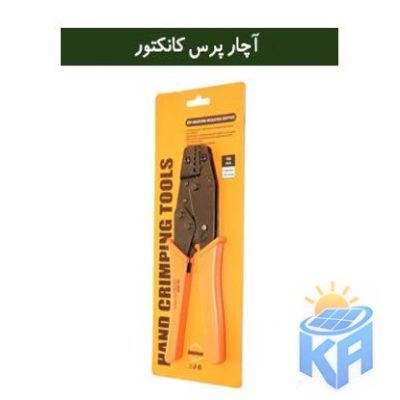
Crimping Tool

Contact Us
To purchase this product, please contact us or place your order directly through our website.

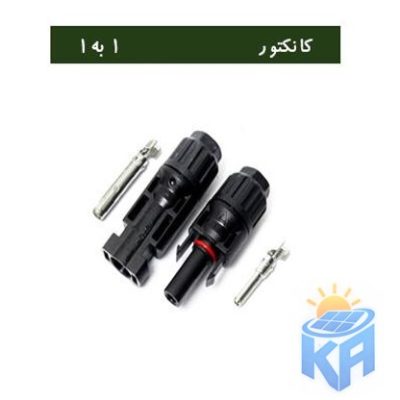
One-to-One MC4 Connector, 1000V

Contact Us
To purchase this product, please contact us or place your order directly through our website.

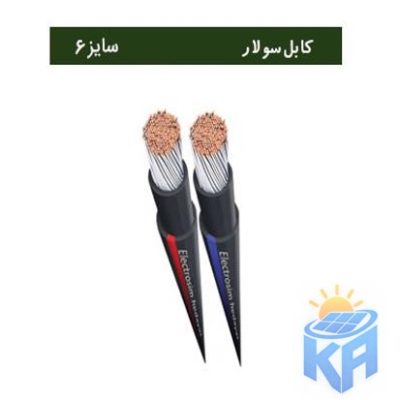
Size 6 Solar Cable

Contact Us
For orders exceeding 1,000 meters, please contact the company to confirm the final price before completing your order and proceeding with payment.

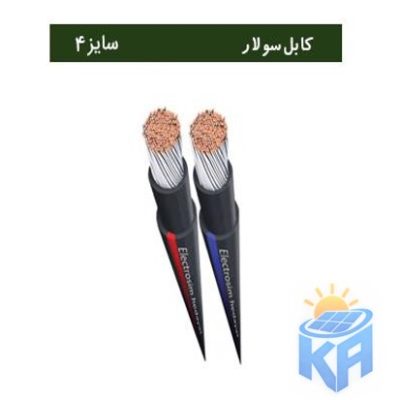
Size 4 Solar Cable

Contact Us
For orders exceeding 1,000 meters, please contact the company to confirm the final price before completing your order and proceeding with payment.

In solar power systems, three key component groups Solar distribution boxes, Cables, and Connectors play a fundamental role in ensuring stable and safe operation. Choosing the right components not only improves system efficiency and durability but also reduces the risk of failures, unsafe connections, and maintenance costs. On this page, we provide a comprehensive guide to selecting this equipment and introduce standard models.

What Is a Solar Distribution Box and Why Is It Important?

A solar distribution box is an enclosure that houses the electrical components of a solar power system, such as fuses, circuit breakers, surge protectors, terminals, and cables. It serves the following purposes:

  • Protecting equipment against overloads, short circuits, and voltage fluctuations
  • Organizing wiring and connections in a neat and safe manner
  • Providing easy access for servicing, maintenance, and troubleshooting
  • Ensuring proper ventilation or insulation under harsh environmental conditions

In other words, a suitable distribution box acts as the safety center of your system, helping protect the other components of your project.

Solar Cables: The Right Choice for Efficient Power Transmission

Solar cables connect solar panels, inverters, charge controllers, and batteries. Therefore, choosing the right cables is essential. The following factors should be considered:

  • Selecting the appropriate cable cross-sectional area based on current and cable length
  • Using cables with UV-resistant insulation suitable for outdoor environments
  • Complying with voltage and current standards (for example, in 1,000V systems)
  • Ensuring neat installation, avoiding knots and excessive tension, and using clearly defined and protected cable routes

Based on common market practices, Size 4 and Size 6 cables are widely used in solar power projects.

Solar Connectors: Secure Connection Points for Solar Panels

Connectors, such as MC4 models, provide the physical and electrical connections between solar panels or between panels and other system components. Key considerations include:

  • Compatibility with the system's current and voltage requirements (for example, up to 1,000V)
  • Resistance to water, dust, and environmental conditions (appropriate IP rating)
  • Quick and error-free installation, with easy replacement
  • Using standard connectors to ensure safety and prevent incorrect connections
Important Considerations When Choosing Distribution Boxes, Cables, and Connectors

A low-quality connector can lead to system failures and reduced performance. Therefore, making informed choices is essential.

Compatibility with System Capacity and Type
Make sure the equipment is compatible with your project's voltage, current, and other specifications. For example, in 600–1,000V systems, distribution boxes and connectors must be rated to withstand these voltage levels.

Material Quality
The distribution box enclosure material, cable insulation type, and connector metal quality have a direct impact on service life and safety. Labels and certifications, such as CE, can be indicators of product quality.

Proper Cable Routing and Ventilation
The distribution box should allow proper cable management, organized placement, and adequate ventilation to prevent damage caused by heat or moisture.

Standards and Safety
Look for products manufactured in compliance with relevant solar electrical industry standards and backed by warranties or professional certifications. This not only increases customer confidence but also aligns with Google's content quality guidelines.

Ease of Maintenance and Future Expansion
As your system may be expanded in the future, the equipment should allow easy installation, the addition of extra cables or connectors, and distribution box upgrades.
Applications and Installation

Residential and Villa Projects: Installing solar distribution boxes together with suitable cables and connectors in small-scale systems.

Offices, Shops, and Service Buildings: Requiring well-organized distribution boxes, structured cable routing, and highly secure connections.

Solar Power Plants and Industrial Applications: Using multi-string distribution boxes, larger-gauge cables for long-distance transmission, and high-capacity connectors.

With the right equipment, your system will operate more efficiently and require lower maintenance costs.

Why Choose Kaihan Amiri?
  • A comprehensive range of distribution boxes, cables, and connectors, with complete technical specifications and expert consultation.
  • Fast delivery, quality assurance, and positive customer experiences in solar projects.
  • Technical support to help you select the right equipment and ensure compatibility with your system.

    With Kaihan Amiri, you can have peace of mind knowing that the key components of your solar power system are in good hands.

Frequently Asked Questions
  1. Do I definitely need a solar distribution box?
    Yes, especially in systems with multiple panels, several strings, or higher capacities. A distribution box provides safety, organization, and protection.
  2. What cable size is suitable for a 600V system?
    It depends on the current, cable distance, and installation method. However, Size 4 and Size 6 cables are commonly used in residential solar projects.
  3. Are MC4 connectors suitable for all solar panels?
    Most standard solar panels use MC4 connectors. However, the connectors must support the current, voltage, and operating conditions of your project.
  4. Should I install the distribution box, cables, and connectors myself or hire a professional?
    If you have experience installing solar power systems and are familiar with safety principles, you may be able to carry out the installation yourself. However, for many projects, hiring a professional is the more practical choice to ensure proper performance.